

There is no single nationwide price for a home in the Philippines. A property’s cost reflects the land it occupies, its usable floor area, its type and condition, and the features of the surrounding area. Even homes with similar layouts may have very different asking prices if one sits near a business district or transport hub while the other is farther from jobs, schools, hospitals, and shops. Access to roads, public transport, and everyday amenities can affect both convenience and buyer demand.
Location creates broad differences across the market. Metro Manila generally has stronger competition for well-located land, while prices in other major cities vary with local employment centers, infrastructure, and demand. Provincial centers may offer different choices and price levels from large urban areas, and rural locations can differ substantially depending on access, services, and local economic activity. These are general patterns, not guaranteed price rules: neighborhoods within the same city can vary widely, and market conditions change over time.
Compare like with like, because “home” can describe several different purchases. A condominium price typically refers to a unit in a shared building and may not include parking or other charges. A house-and-lot package combines a dwelling with a specified parcel of land, while a townhouse is one of several attached or closely grouped homes. If you already own land, building a home is a separate budgeting exercise: construction costs depend on design, materials, labor, site conditions, and finishing choices, and the land itself is not part of the build quote.
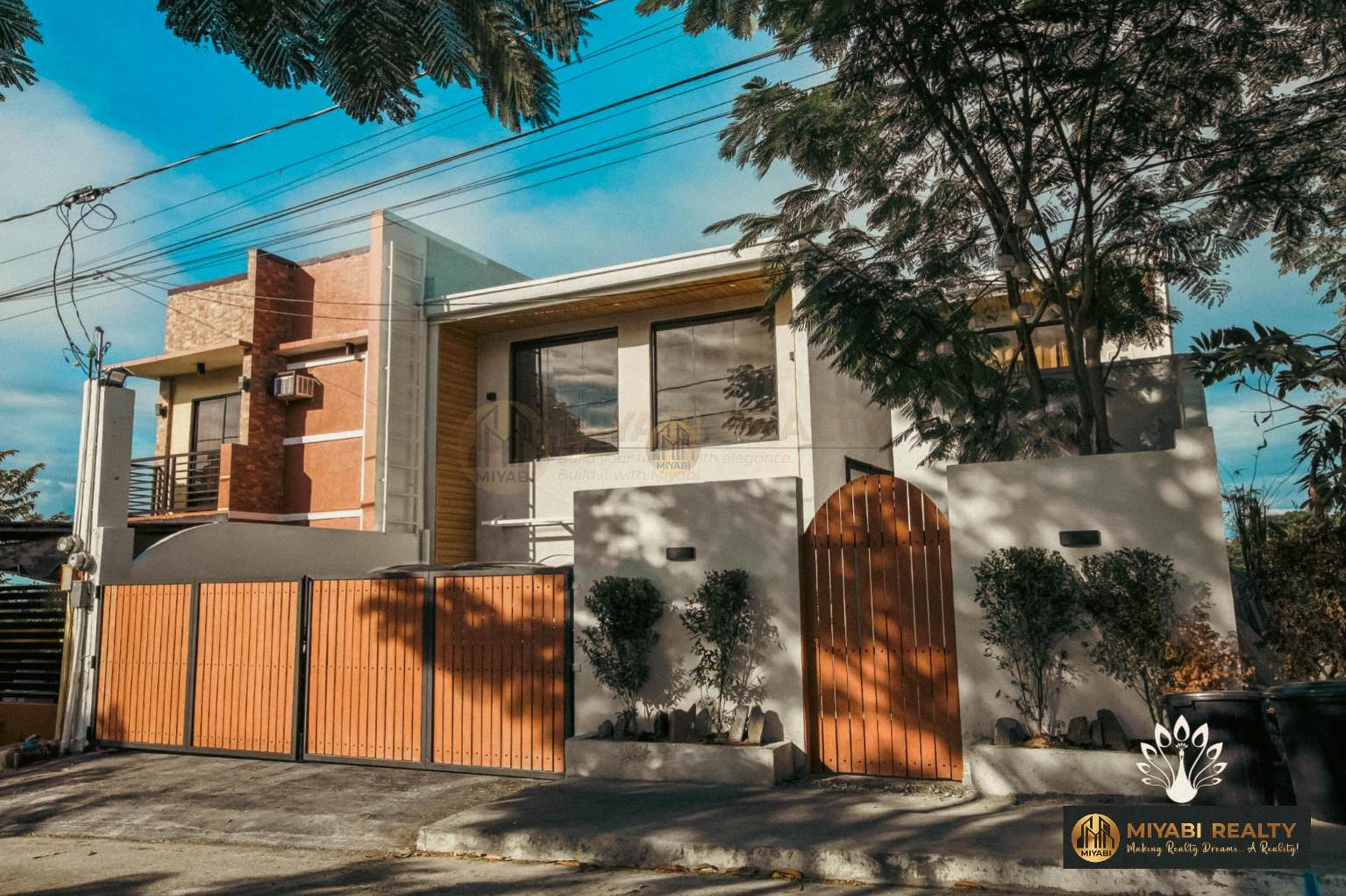
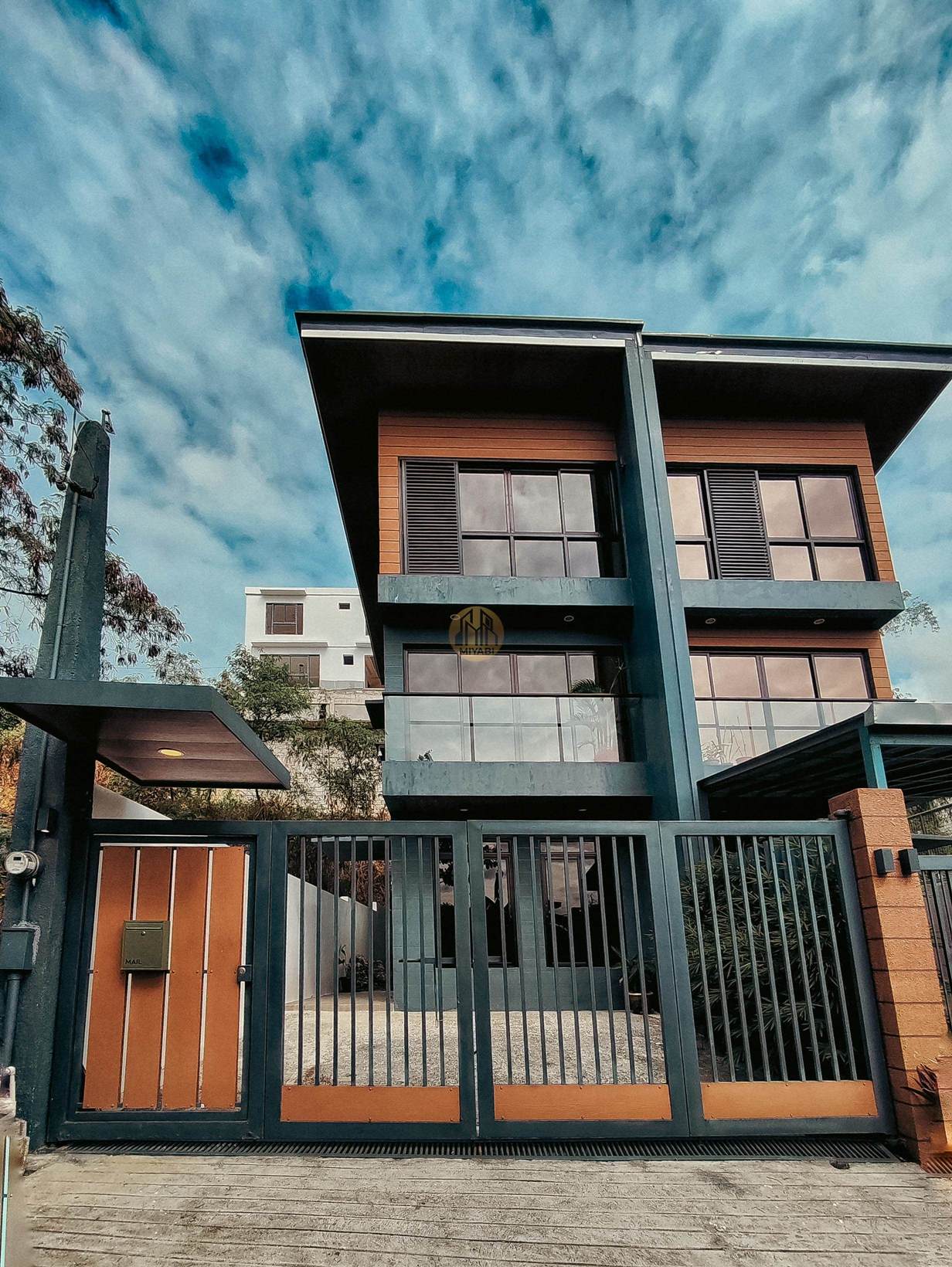
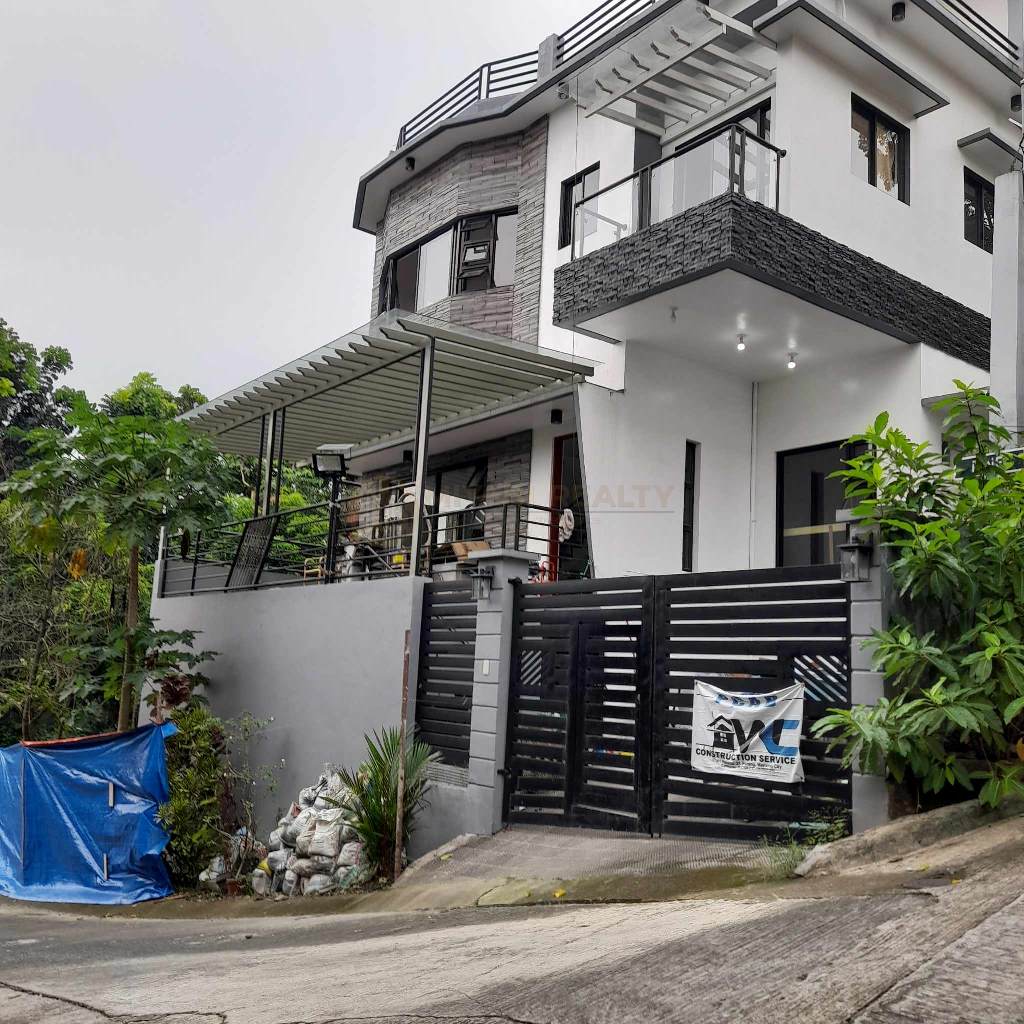
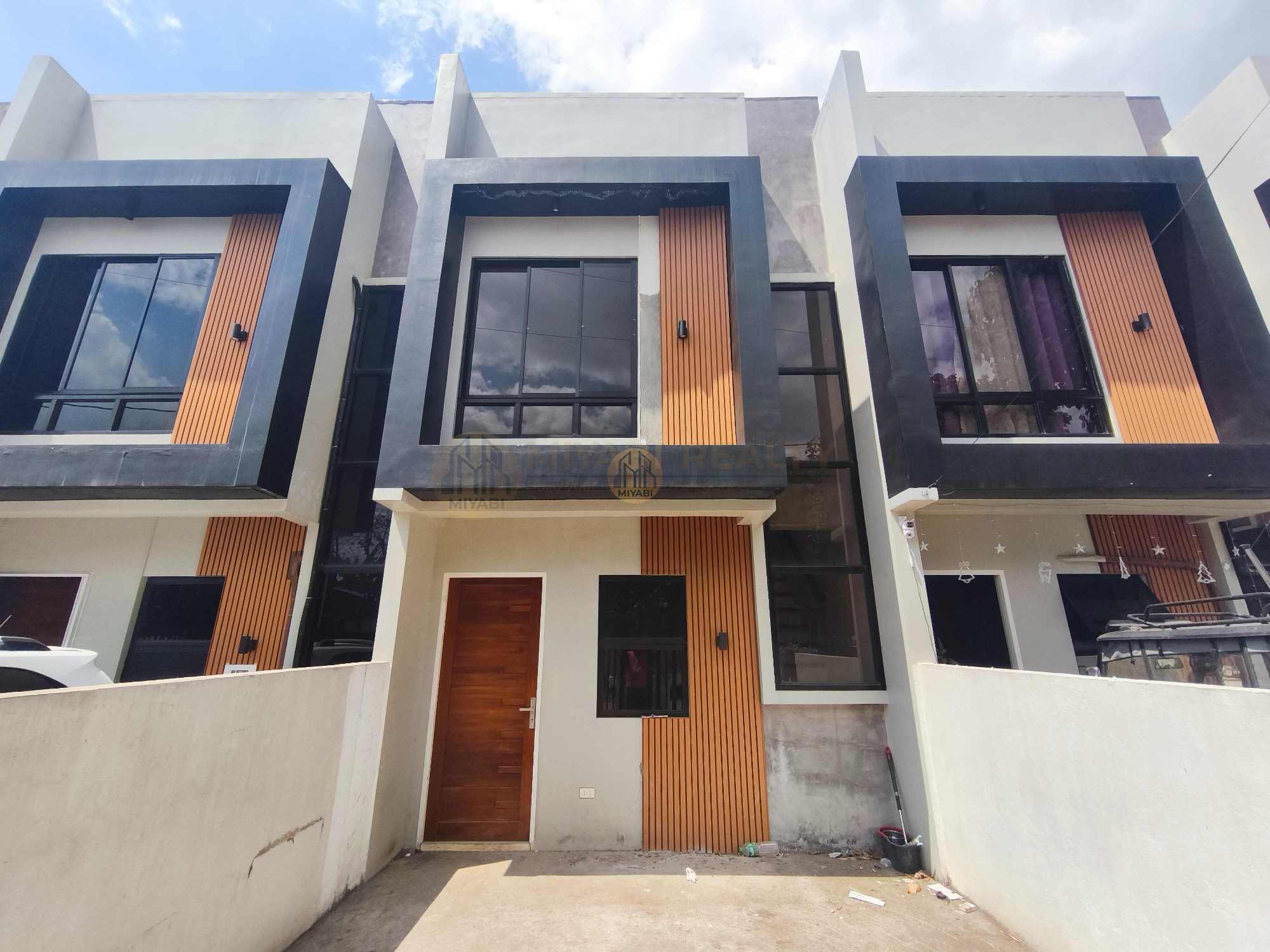
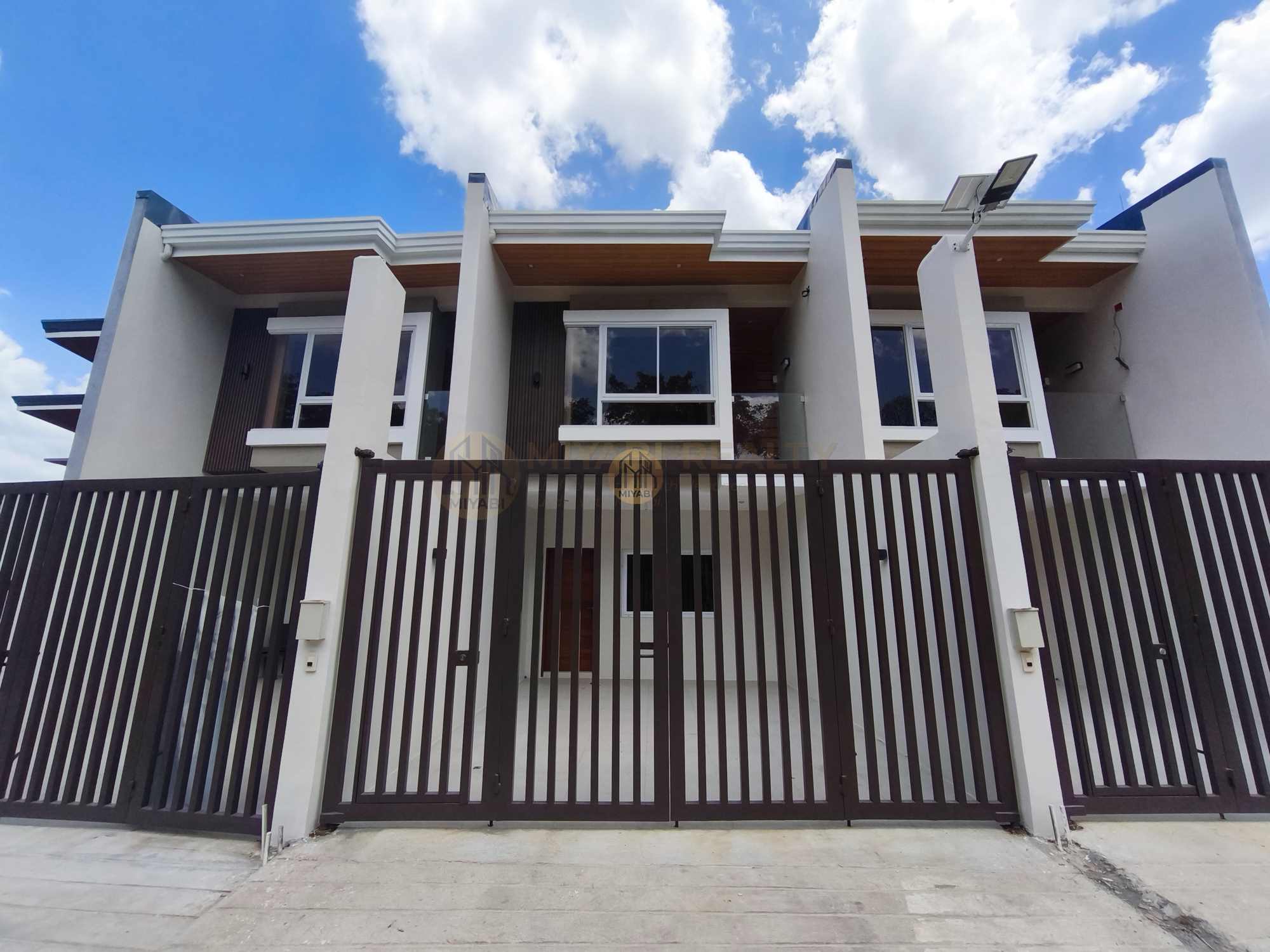
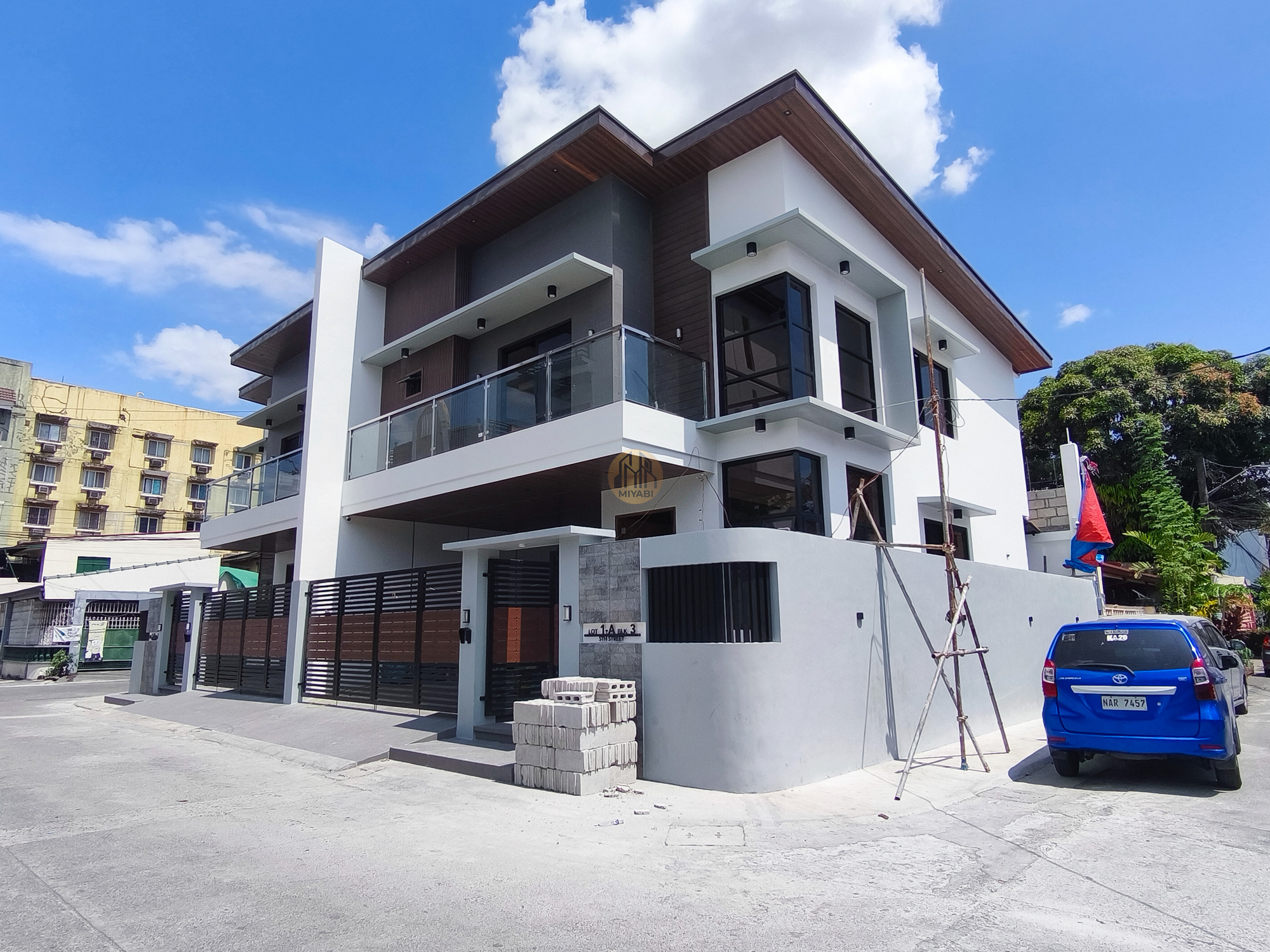
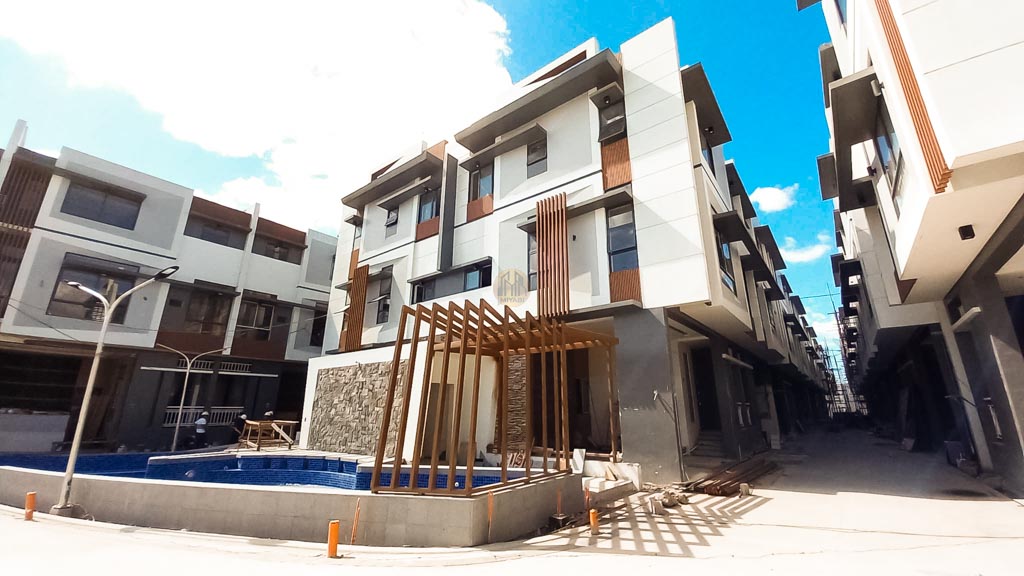
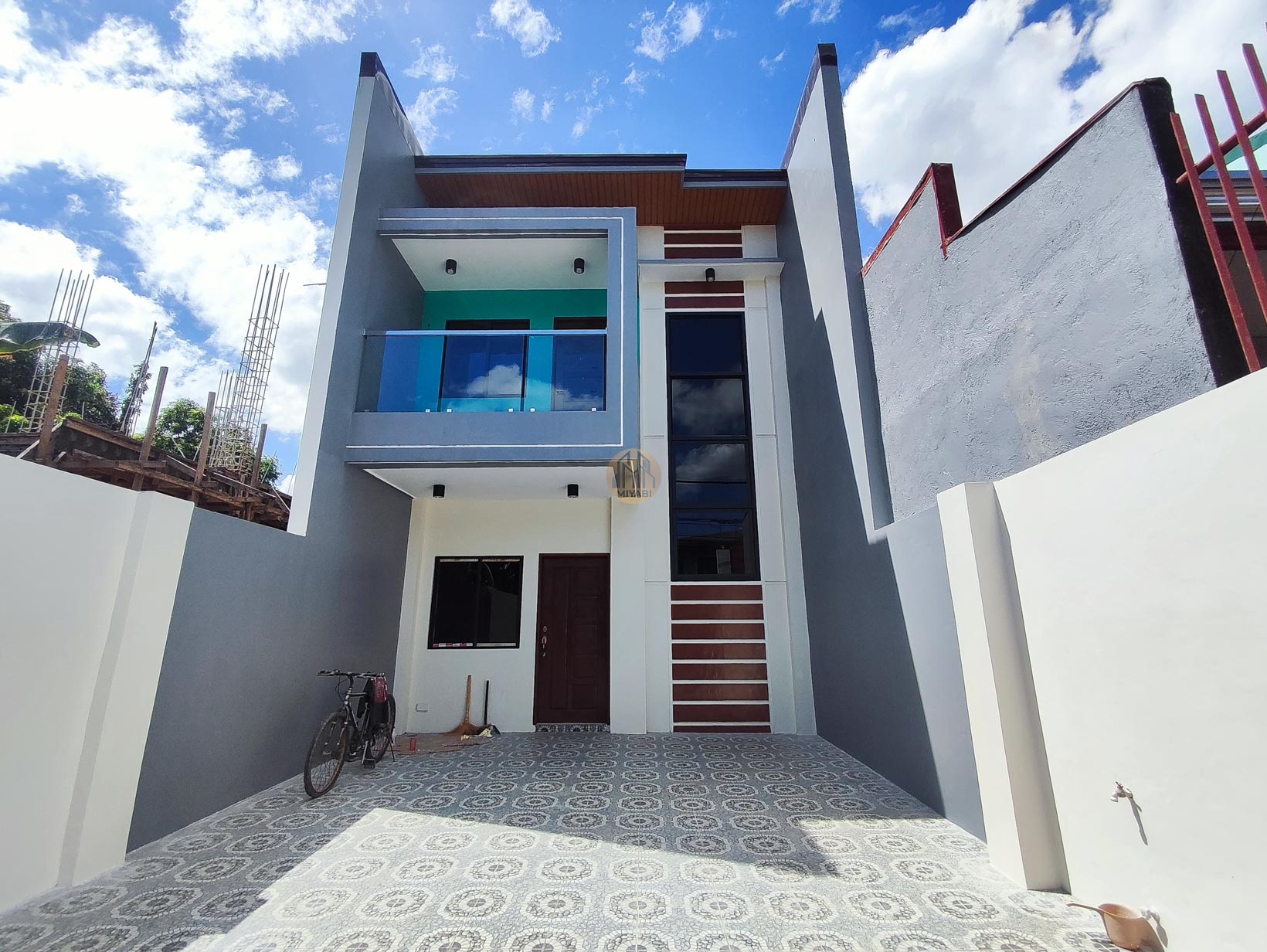
There is no single nationwide price for a home in the Philippines. A property’s cost reflects the land it occupies, its usable floor area, its type and condition, and the features of the surrounding area. Even homes with similar layouts may have very different asking prices if one sits near a business district or transport hub while the other is farther from jobs, schools, hospitals, and shops. Access to roads, public transport, and everyday amenities can affect both convenience and buyer demand.
Location creates broad differences across the market. Metro Manila generally has stronger competition for well-located land, while prices in other major cities vary with local employment centers, infrastructure, and demand. Provincial centers may offer different choices and price levels from large urban areas, and rural locations can differ substantially depending on access, services, and local economic activity. These are general patterns, not guaranteed price rules: neighborhoods within the same city can vary widely, and market conditions change over time.
Compare like with like, because “home” can describe several different purchases. A condominium price typically refers to a unit in a shared building and may not include parking or other charges. A house-and-lot package combines a dwelling with a specified parcel of land, while a townhouse is one of several attached or closely grouped homes. If you already own land, building a home is a separate budgeting exercise: construction costs depend on design, materials, labor, site conditions, and finishing choices, and the land itself is not part of the build quote.
Age and construction quality also matter. A newer, well-maintained property with durable materials may command more than an older home needing repairs, although condition should be checked rather than inferred from appearance. Before setting a budget, review current listings in the specific area you are considering and compare properties with similar size, type, and condition. Ask sellers or developers to clarify exactly what the quoted price includes, such as land, parking, fixtures, finishes, association charges, or required fees. This makes comparisons more useful and reduces the risk of overlooking costs.
House prices in the Philippines vary substantially by city, neighborhood, property size, construction quality, and access to transport and utilities. Any figures used for budgeting should therefore be treated as working estimates, not guaranteed market rates. Before making comparisons, review current listings and ask local brokers or developers about recent transactions in the same area. Entry-level homes are generally compact, with modest finishes and smaller lots, and may be located in developing communities or farther from major business districts. Mid-range family homes typically offer more floor area, additional bedrooms, better-finished interiors, and access to established schools, shops, or transport routes. Premium properties tend to have larger lots, higher-quality materials, more extensive amenities, and addresses in sought-after urban or resort locations.
Location can change the budget as much as the home itself. House-and-lot properties in Metro Manila and other major urban centers commonly command higher prices, particularly in areas with convenient commutes and established infrastructure. Suburban communities may offer more space for a lower price, though travel times and transport costs can increase. In provincial cities and towns, buyers may find lower advertised prices or larger lots, but the range is broad: popular growth areas and coastal destinations can be costly, while remote locations may have fewer services or less developed roads. Compare properties by usable floor area, lot size, condition, and neighborhood access rather than relying on price alone.
A low listing price may reflect a smaller lot, a longer commute, unfinished interiors, or limited water, power, drainage, or internet service. It may also refer to a base price that excludes upgrades or other charges. The listed price is the seller’s or developer’s advertised amount; the contract price is the amount formally agreed and recorded in the sale documents. The buyer’s total funding requirement can be higher still, depending on the payment schedule, financing terms, taxes, transfer and registration expenses, and any work needed after turnover. When comparing options, request an itemized quotation and confirm what is included, what remains payable, and when each payment is due. This creates a more realistic basis for comparing homes across locations and property types.
The advertised price is only the starting point when budgeting for a home in the Philippines. Buyers generally need a down payment, whose amount depends on the property, financing arrangement, and lender requirements. Estimate the monthly mortgage payment using the expected loan amount, interest rate, and repayment term; a longer term may reduce each payment but increase total interest. Compare the full repayment cost, not just the amount due each month, and allow for possible rate changes if the loan has a variable rate.
Financing terms differ among banks, Pag-IBIG Fund, and developer-arranged plans. Each option has its own eligibility rules, required documents, loan limits, interest terms, and charges. Ask for a written quotation showing the cash needed upfront, recurring payments, fees, and any conditions that could affect approval. Do not assume that a reservation fee or down payment covers all costs due before turnover.
Transaction expenses may include transfer tax, documentary stamp tax, registration fees, notarial fees, title-related charges, property appraisal, and loan processing. The amounts and allocation of these costs can vary. Confirm which party is responsible for each item under the sale agreement, and check applicable local rates with the relevant office or a qualified professional. Request an itemized estimate rather than relying on informal estimates or assumptions.
Budget separately for move-in and ongoing ownership expenses. Repairs, furnishing, utility connections, association dues, and insurance can add substantially to the cash needed after purchase. Regular costs may also include real-property tax and maintenance. Set aside a contingency reserve for unexpected repairs, delays, or changes in fees, rather than using all available funds for the down payment and closing costs.
Before committing, request a written breakdown of every expected payment, including due dates and the party responsible. Verify loan figures directly with the lender, transaction charges with the seller or relevant authorities, and contractual details with a qualified professional. A complete budget helps buyers assess affordability and avoid surprises before, during, and after closing.
Begin by deciding what you can comfortably pay each month, rather than starting with the highest property price a lender might approve. Include the mortgage payment alongside utilities, association dues, insurance, property taxes, transport, and regular household expenses. Leave room for savings and unexpected costs. Next, review your available savings and set aside funds for the down payment, taxes, legal and registration fees, and other transaction expenses. Keep a separate emergency fund instead of using every available peso to complete the purchase.
With a monthly limit and savings target in mind, request a financing estimate or pre-approval from a bank or other lender. This can help clarify the likely loan amount, repayment period, interest rate, and initial cash requirement. Treat estimates as provisional, and ask about fees and loan terms that may change the total cost. Then identify preferred locations and essential features, such as access to work, schools, transport, and healthcare. Distinguish must-haves from preferences so you can compare suitable options without letting attractive extras push spending beyond your limit.
Compare the full cost of ownership, not just the asking price. Consider repairs, maintenance, utility connections, insurance, taxes, and any community charges. Before committing, inspect the property carefully, and seek qualified assistance if you are unsure about its condition. Confirm that the title, permits, and relevant approvals are in order, and review the sale documents before signing or paying. If the numbers leave no buffer for emergencies, reconsider the price range, timing, or property type rather than stretching your budget.